

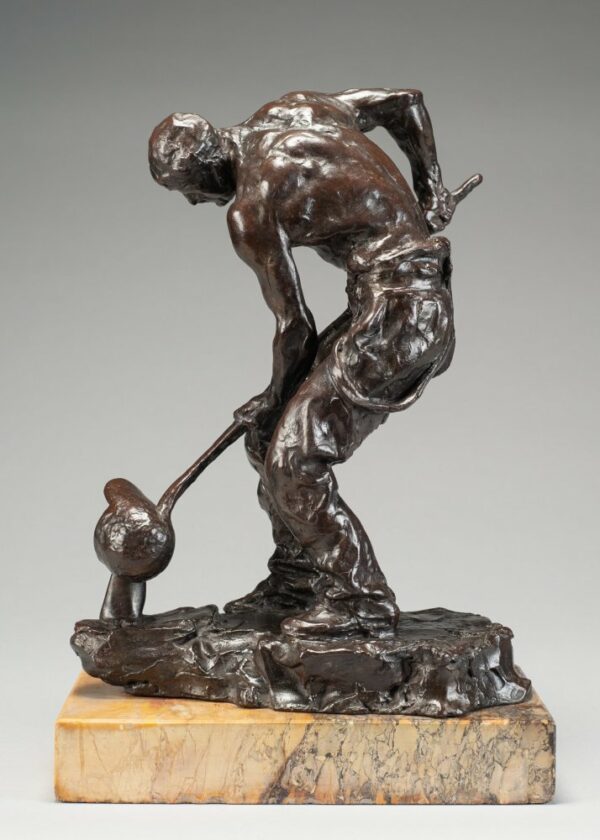

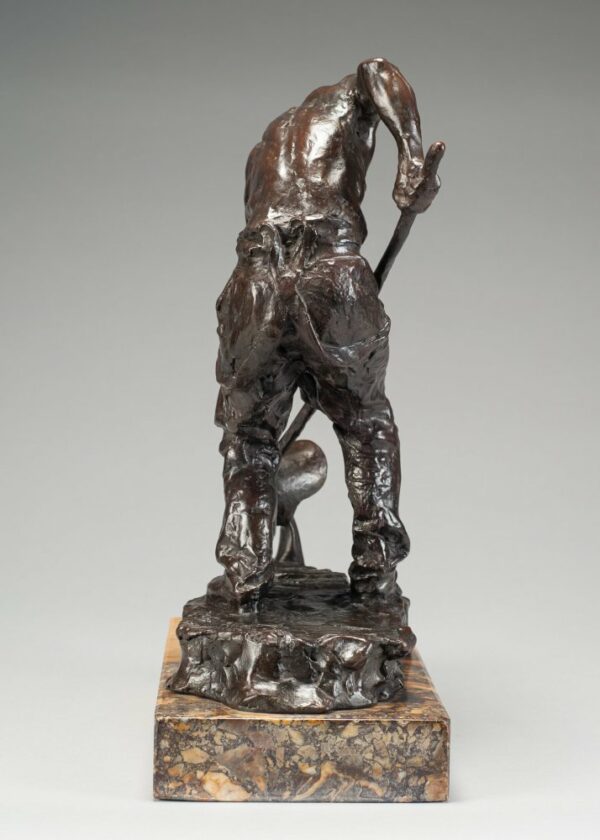
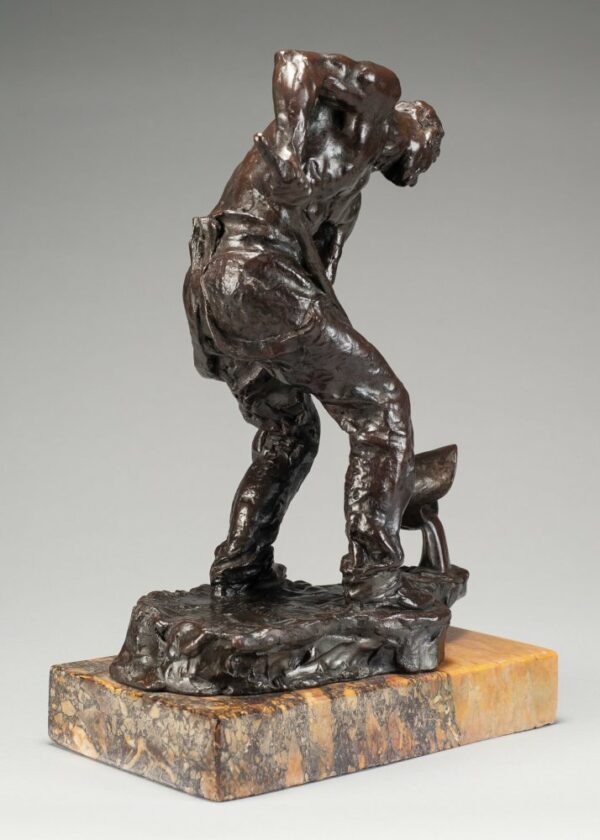
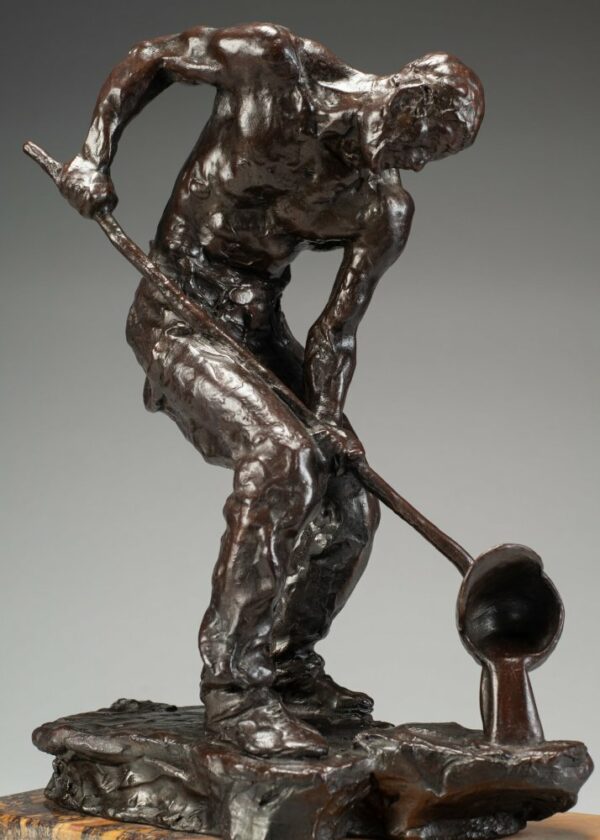


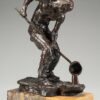

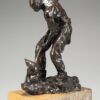


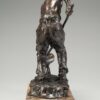
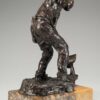

艾伯特·托夫特
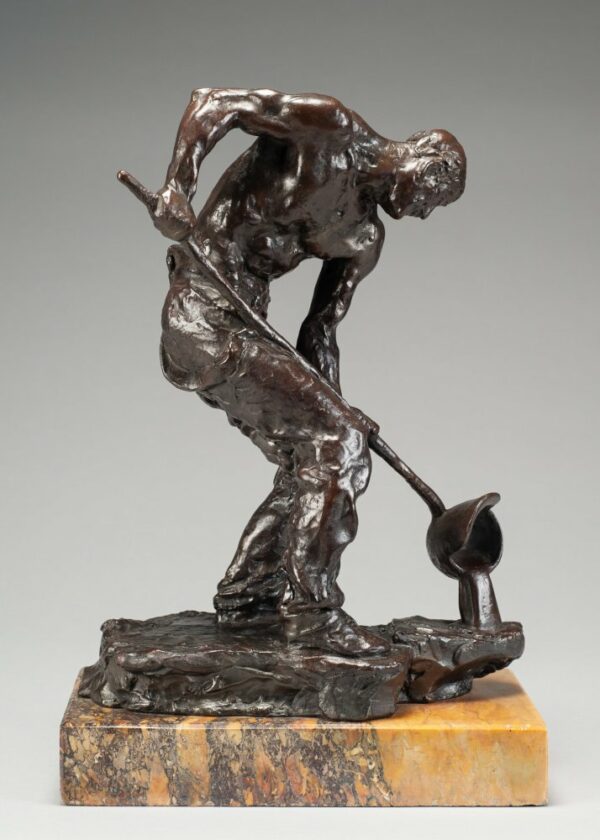
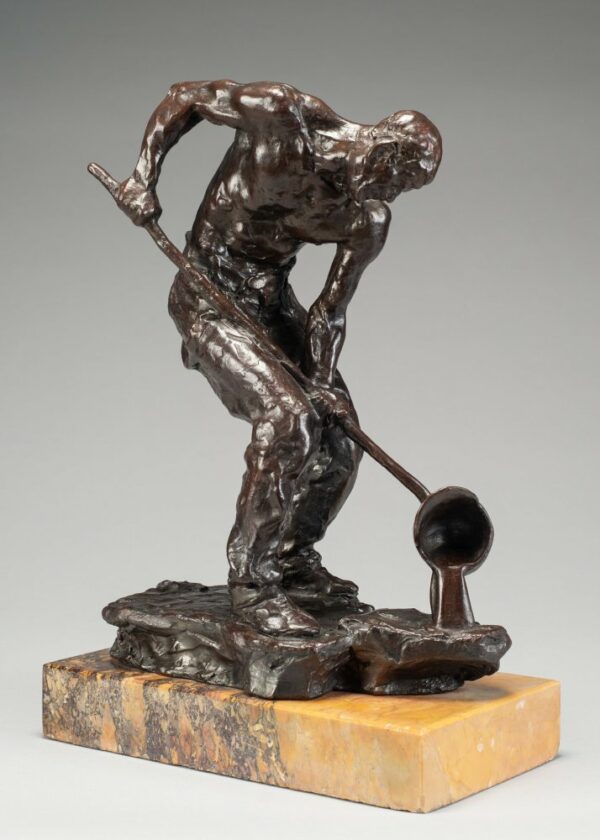
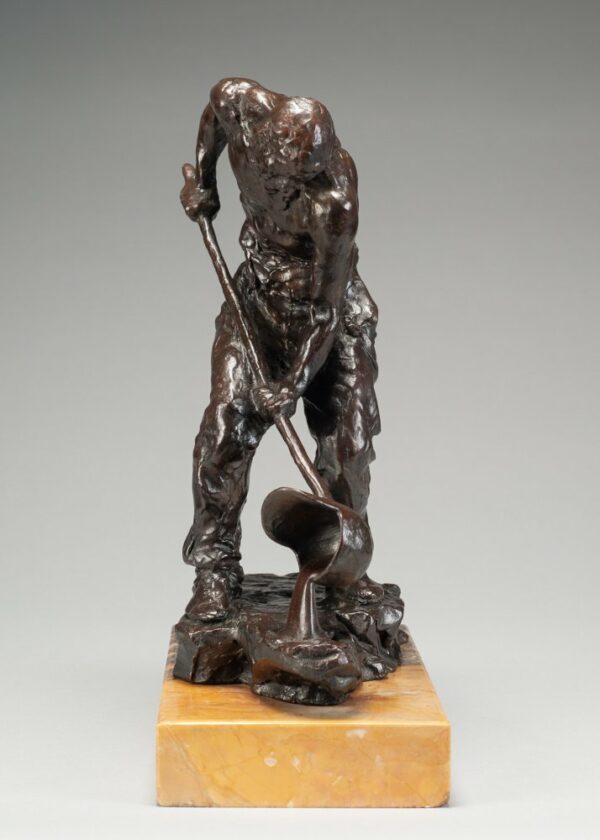
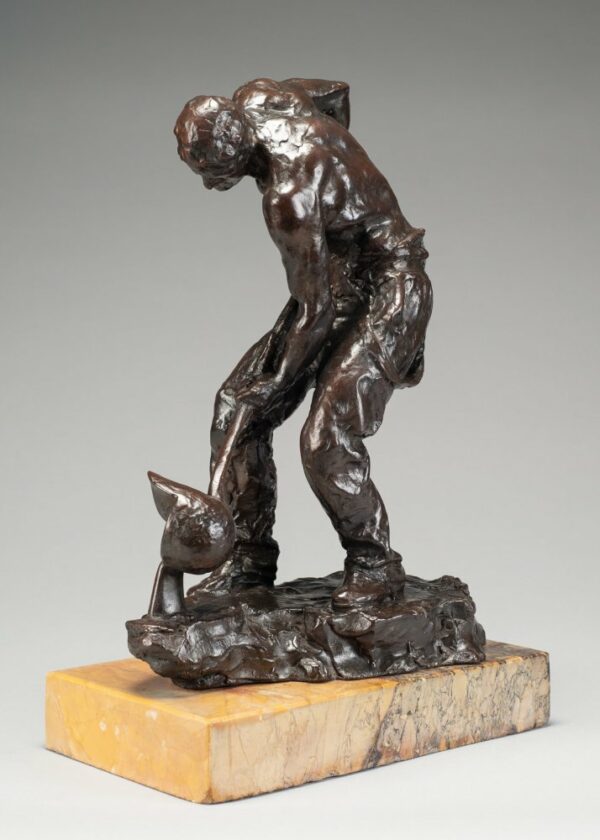
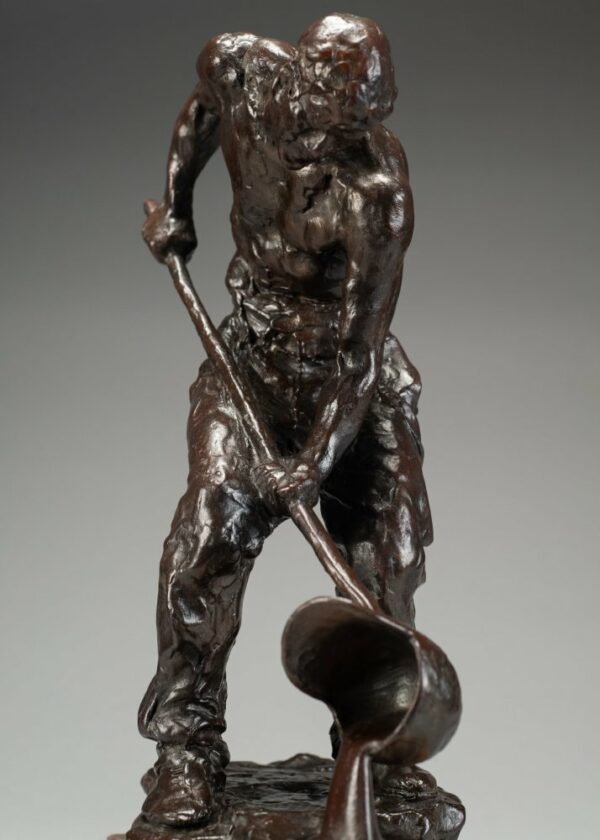
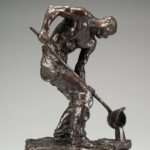
金属浇注,1913 年
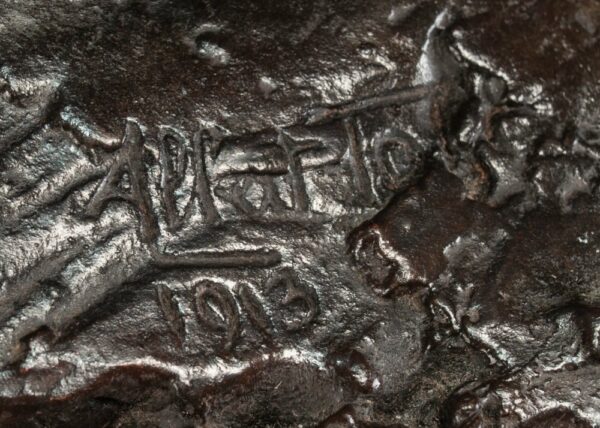
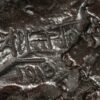
签名并注明日期
大理石底座上的青铜
高度:14 1/2 英寸(36.5 厘米)
构思和铸造于 1913 年
关于艺术品
Albert Toft was one of the most productive artists forming the second generation of the New Sculpture movement. His network of friendships and collaborations captures the close-knit relationships that shaped the development of the period, being a close friend of Alfred Gilbert, Frederic Leighton, and the painter John William Waterhouse, among others. As a sculptor, he contributed to the development of the discipline in England by mingling the style of his teacher Édouard Lantéri with the more symbolist leanings of Gilbert.
托夫特于 1862 年出生于伯明翰附近,他的父亲是电镀公司 Elkington & Co 的模特。青少年时期,他曾在世界知名的陶器制造商韦奇伍德 (Wedgwood) 当学徒,同时还在汉利和纽卡斯尔安德莱姆艺术学校上夜校。
1880 年,他获得了伦敦国家艺术培训学校的奖学金,在那里,他二年级和三年级的作品均获得银牌。正是在这里,托夫特师从著名雕塑家兰特里,兰特里和达卢的影响在托夫特最著名的“理想作品”中可见一斑,例如 命运主导 (1892年) 沉思的精神 (1901).
托夫特从 1885 年起在皇家艺术学院展出,并取得了许多成功。他最著名的作品包括 枯叶和黄叶 (1892), 春天 (1897), 沉思的精神(1901)和 金属倒料机 (1915 年)。1915 年,他的雕塑 沐浴者 是使用皇家艺术学院的 Chantrey 基金购买的,目前是泰特美术馆的收藏品。
托夫特于 1891 年当选为艺术工作者协会会员。1938 年,他成为英国皇家雕塑家学会会员。
The influence for the present work can perhaps be more accurately traced back to Toft’s childhood in Birmingham, where the burgeoning economy had been fuelled by metalworking since the late 18日 century. Indeed, the early 19日 century had seen this trend continue, with demand increasing for the production of train carriages, along with advances in the manufacture of lead and copper piping. By 1889 Birmingham had officially been named a city and was quickly taking its place at the heart of industrial Britain.
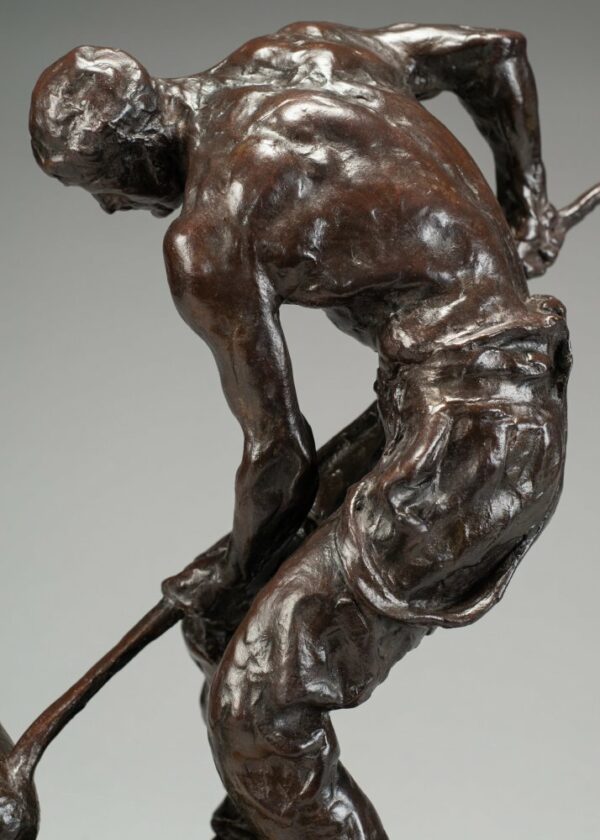
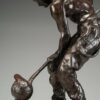
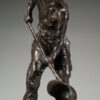
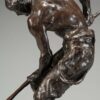
The present work depicts a labourer pouring molten metal, a process that would have been carried out in factories throughout the North of England during this time. The sculpture does not depict the subject as a heroic figure, but rather a muscular and rugged individual, very much a product of the new industrialised world. Other examples of this sculpture can be found in the collections of the Art Gallery of New South Wales, Australia, and the National Museum of Wales. The latter of these was given as a gift to the Museum by the sculptor Sir William Goscombe John in 1928 and is currently on display. Toft also exhibited a 6-foot-high version of the work at the Royal Academy, England in 1916.

 Chinese
  English