
Born in Pau, France, Charles Valton’s mentor was the master of the animalier school Antoine Louis Barye. He studied under him for many years as well as benefiting from the teaching of Emmanuel Fremiet. From an early age Valton was drawn to animals and wildlife and in the tradition of the great animal sculptors before him, he studied the anatomy of his subjects in the morgue and live subjects at the Jardin des Plantes. Valton went on to make his debut at the Salon of 1868, aged only seventeen. The early works submitted to the Salon were predominantly plaster and wax and after 1880 they were almost entirely small groups in bronze. A prolific sculptor, Valton exhibited over seventy works at the salon over a forty-year period.
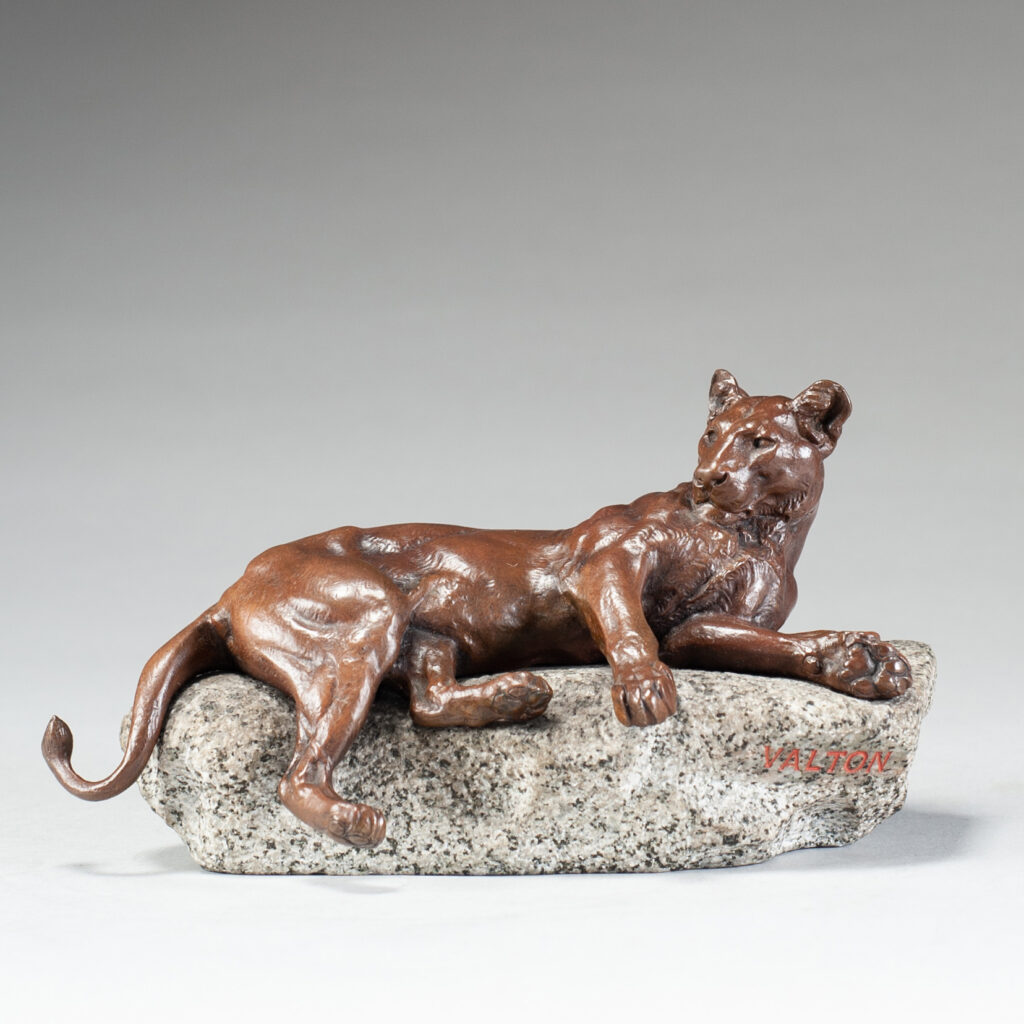
Born in Pau, France, Charles Valton’s mentor was the master of the animalier school Antoine Louis Barye. He studied under him for many years as well as benefiting from the teaching of Emmanuel Fremiet.
From an early age Valton was drawn to animals and wildlife and in the tradition of the great animal sculptors before him, he studied the anatomy of his subjects in the morgue and live subjects at the Jardin des Plantes.
Valton went on to make his debut at the Salon of 1868, aged only seventeen. The early works submitted to the Salon were predominantly plaster and wax and after 1880 they were almost entirely small groups in bronze.
A prolific sculptor, Valton exhibited over seventy works at the salon over a forty-year period. Despite this great number of works, few extensive editions were executed rendering many works as rare objects.
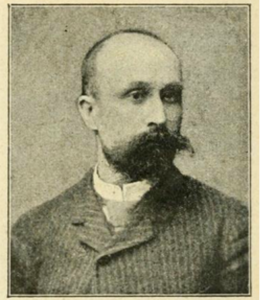
Although his favoured subject was the big cat family, his skill and observation of all animals was much admired. Indeed, he submitted animals as diverse as cockerels, camels, elephants and horses to the Salon. His charming and accurate models are of such rare quality that one can only place Valton in a senior position amongst the great animalier’s.
In 1875 he became a member of the Societe des Artistes Francaise, the same year he won his first medal at the Salon. A second-class medal followed in 1885, as well as medals at the Exposition Universelle in 1899 and 1900. He took up the position as Professor of the Germain Pilon School from 1883 and was awarded the Cross of the Legion d’Honeur in 1906.

 English
  Chinese