


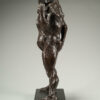
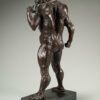
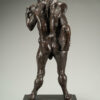
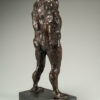
迈克尔·艾尔顿
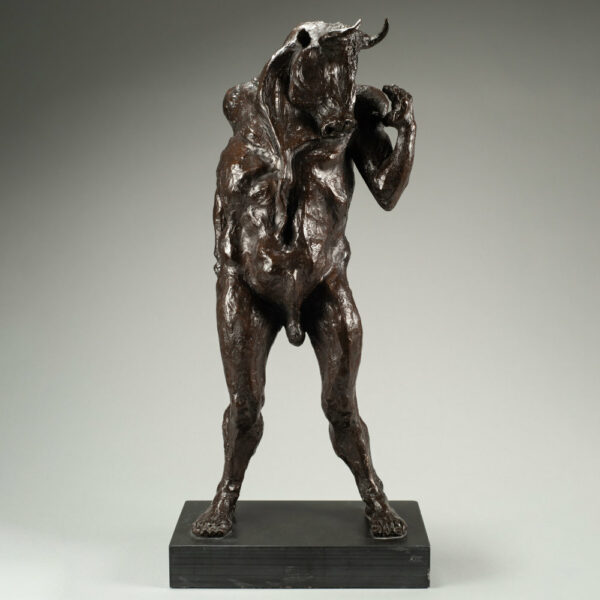
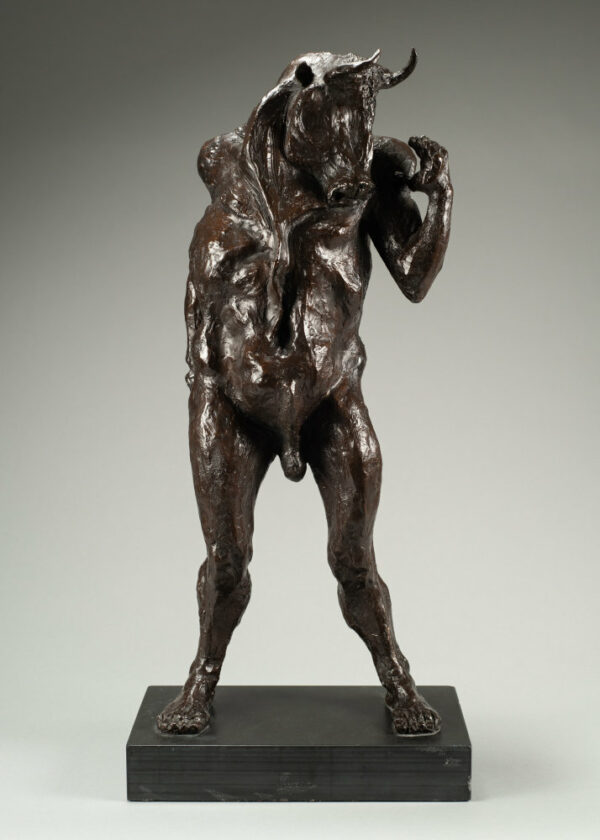
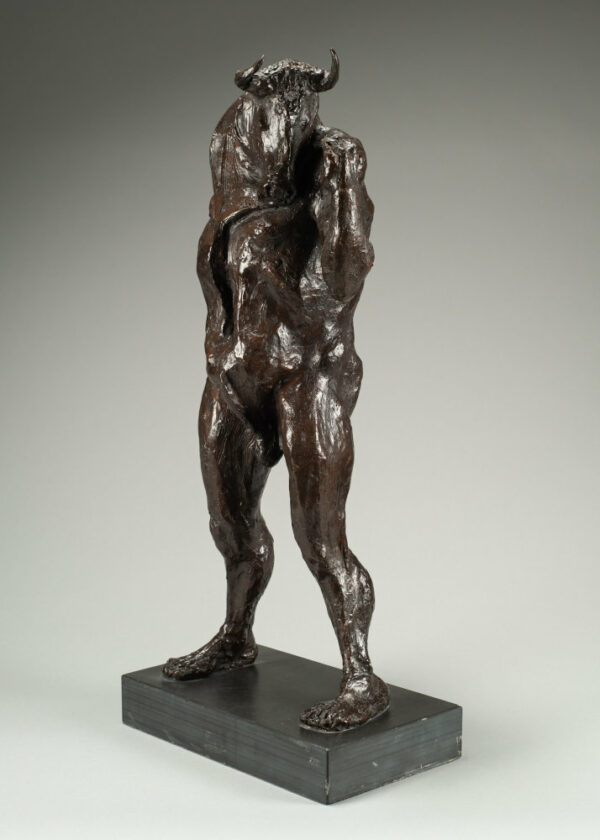
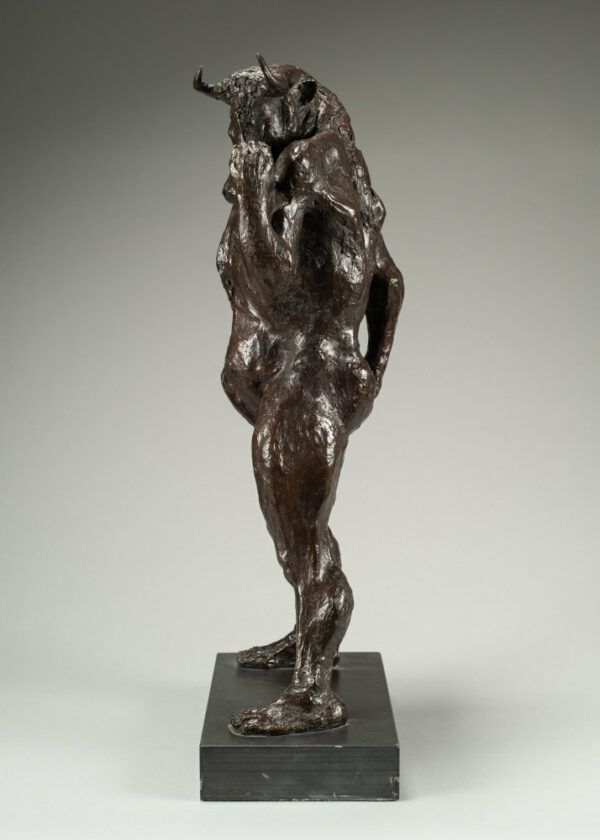
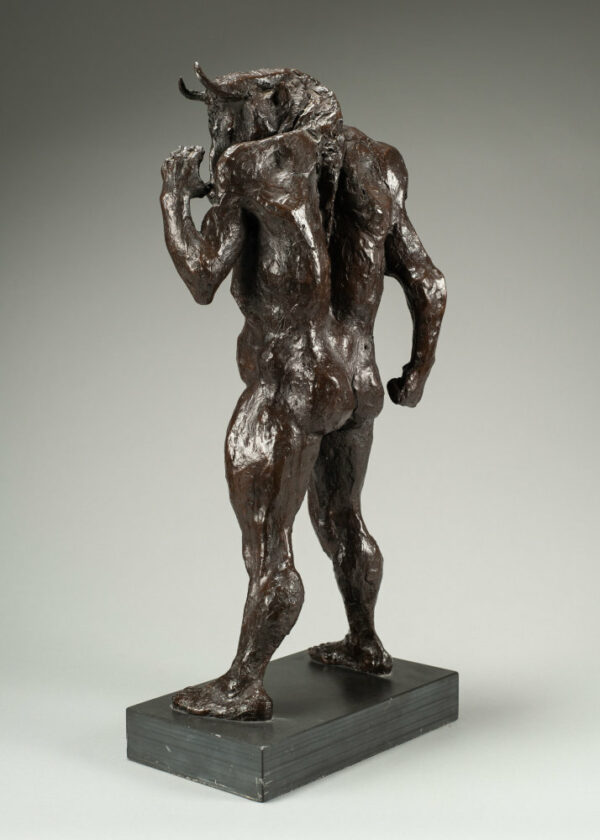
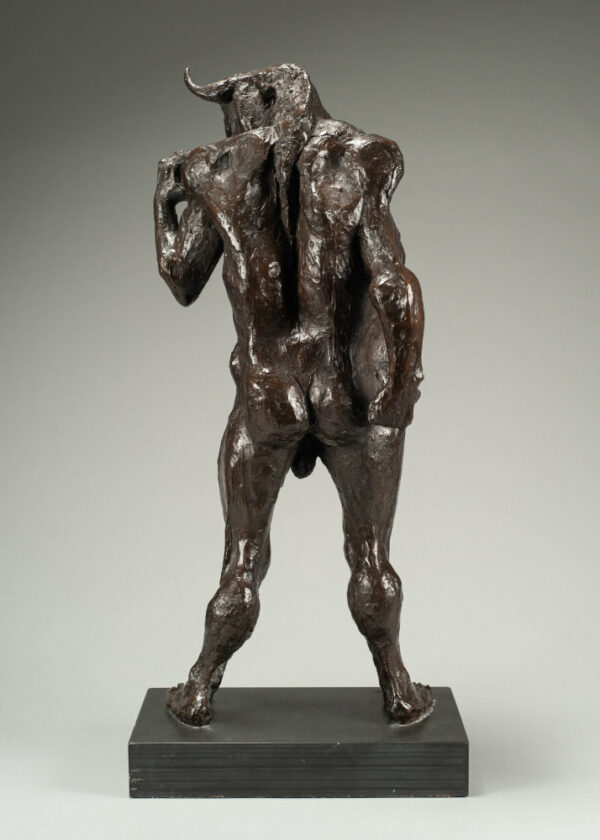
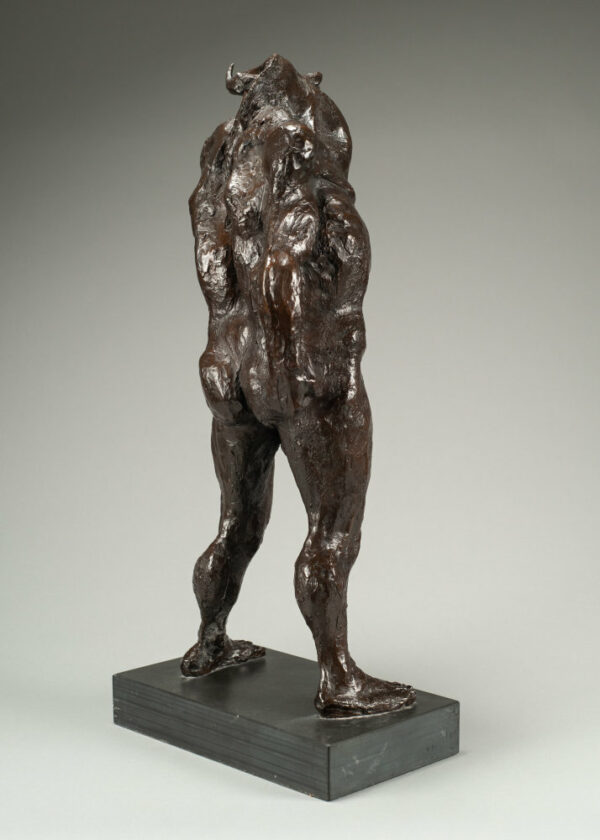
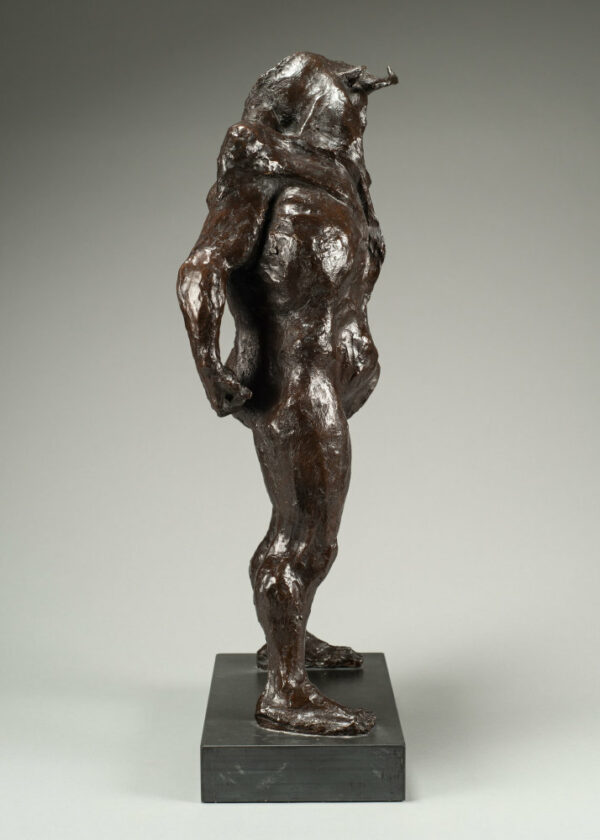
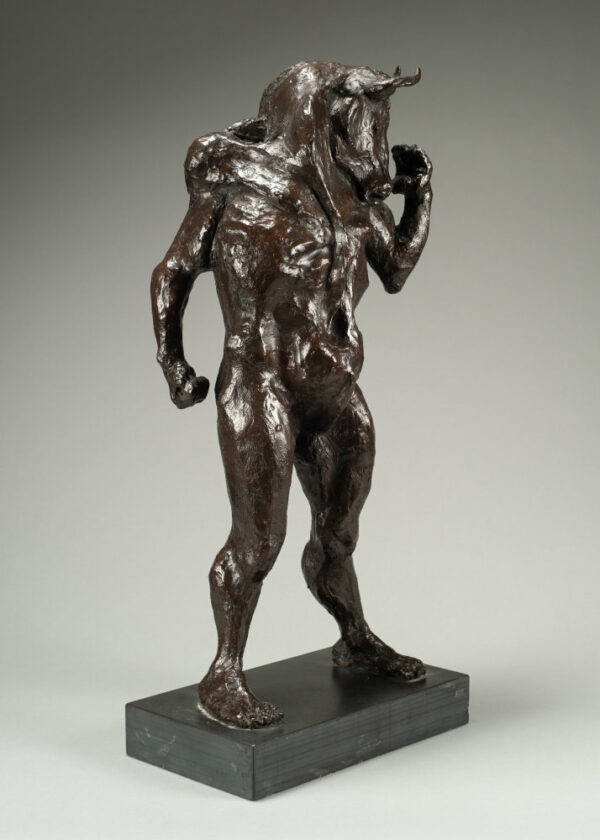
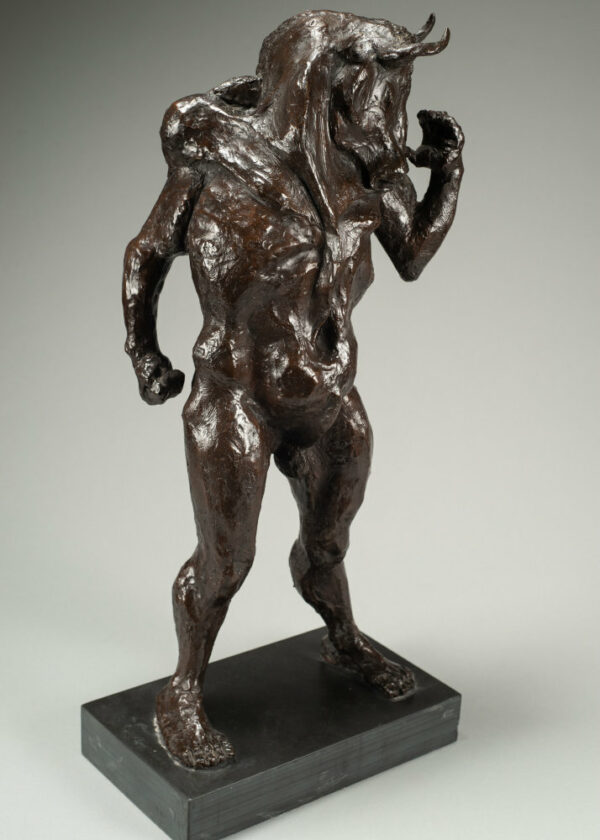
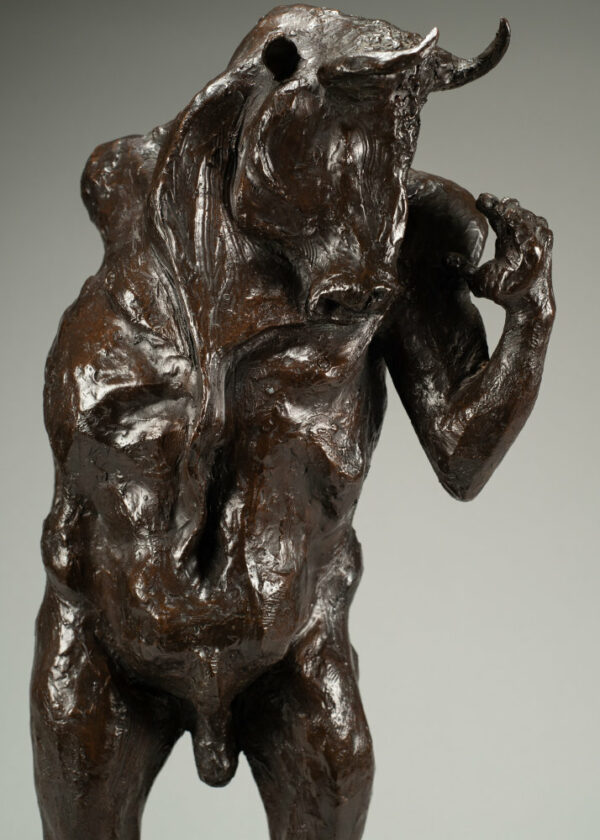
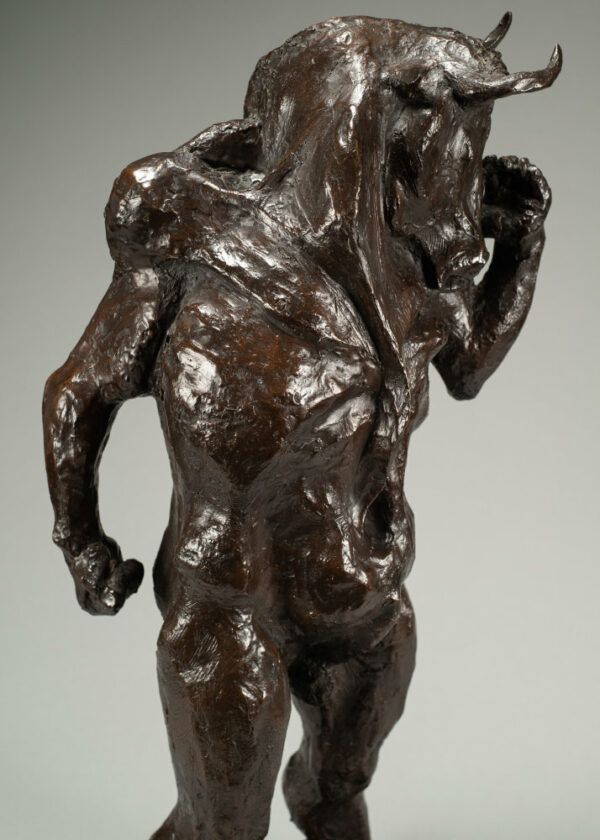
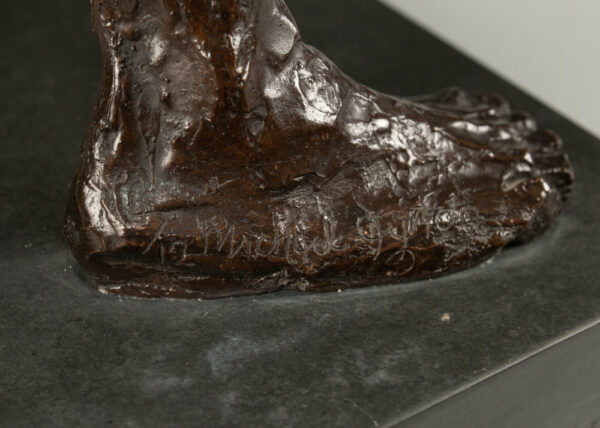
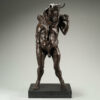
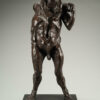
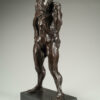
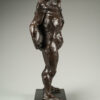
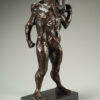
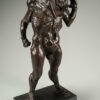
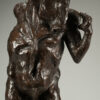
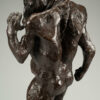
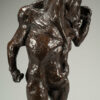
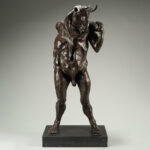
牛头怪直立
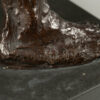
签名并编号 4/12
深棕色铜锈
高度:27 1/2 英寸(70 厘米)
1975 年构思并铸造
出处
Dominion Gallery Toronto
David C. Wooley, Toronto, acquired from the above, May 1976
关于艺术品
Michael Ayrton was a true renaissance man; he was a sculptor, painter, printmaker of figures and landscapes, illustrator, draughtsman, theatrical designer, filmmaker, writer and art critic. He conducted his studies from 1935 to 1939 at the Heatherly School of Fine Art and the St John’s Wood Art School, transferring to Vienna and Paris between 1936-37. In Paris he shared a studio with John Minton while both of them studied under Eugene Berman. It was only in the 1950s that he turned toward bronze sculpture, having visited Greece in 1957 with the British Modernist sculptor Henry Moore. He greatly admired and took advice from Henry Moore, who helped with the technical development of the medium.
Ayrton was fascinated by Greek Mythology, especially the Daedalus myth. In this story, King Minos employed Daedalus to build a labyrinth to imprison his Minotaur son. Having constructed the maze, the King realised that Daedalus was the only one who knew its secrets, so imprisoned him and his son Icarus in a tower. To escape, the ever-brilliant Daedalus created a pair of wings from wax and feathers for himself and his son. The young man leapt from the tower and flew like a bird away. However, he refused to heed his father’s words, and came too close to the sun and the wax in his wings melted, sending him to his death.
Various forms of the Minotaur, the maze, Daedalus and Icarus feature in Ayrton’s sculpture, as he sought to reinterpret mythological ideas in terms of the figure through his powerful style. It was also the larger themes of the myth that he sought to explore. As the artist himself explained:
‘Since 1964, most of my work has been concerned with the image of a man in a labyrinth […]. Thus the maze has come to serve for me as an image of my own life and indeed of any individual’s life. Every man, it seems to me, makes his maze out of his experiences, his circumstances, his hopes and fears, and in it he lives, so that the shape of it identifies him. Every maze is therefore different, for each is personal and yet various. Each is a prison and a sanctuary, a journey and a destination […] it contains him wholly and he extends it all his life.’(Ayrton, 1966, p.i)
In July 2013 a cast of Aryton’s monumental Arkvillle Minotaur sold at Christie’s for £205,000. Michael Ayrton’s work is represented in important public collections including Tate in London and The Museum of Modern Art in New York City.

 Chinese
  English