
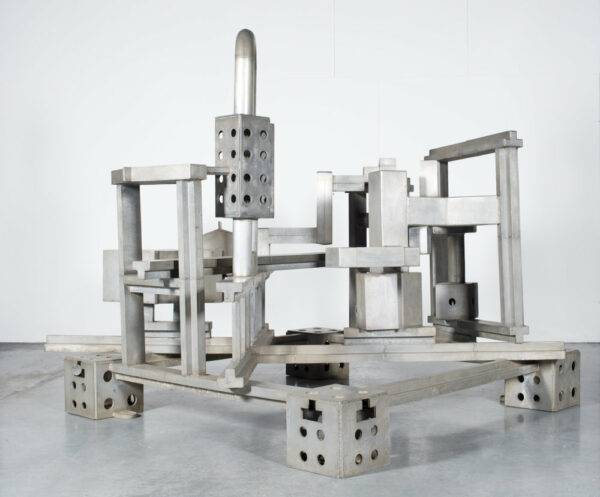
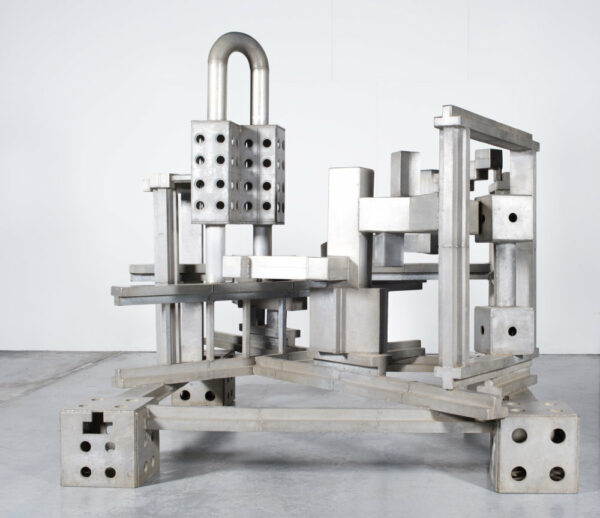
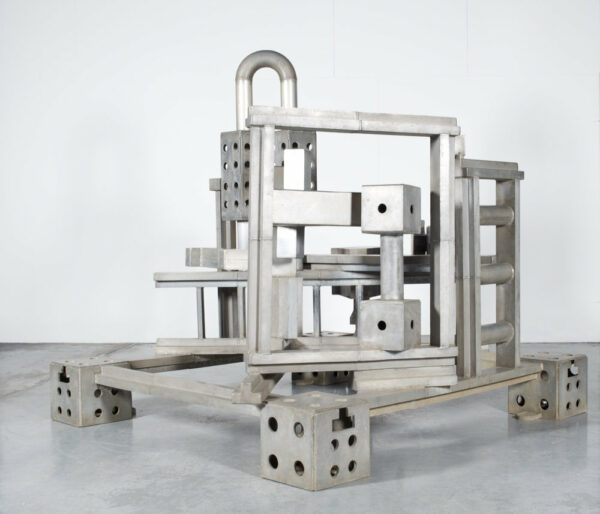
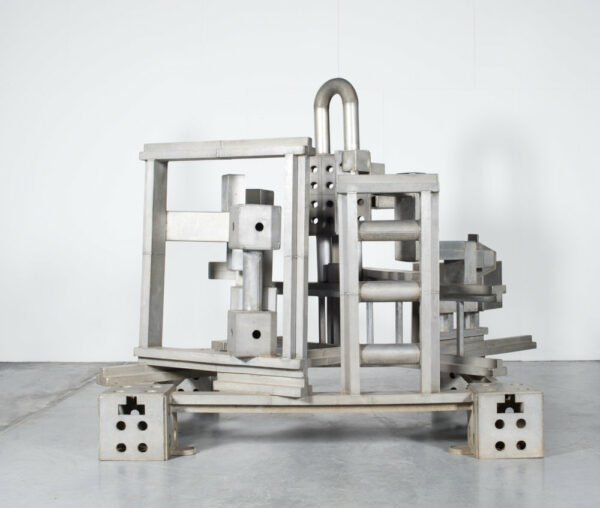
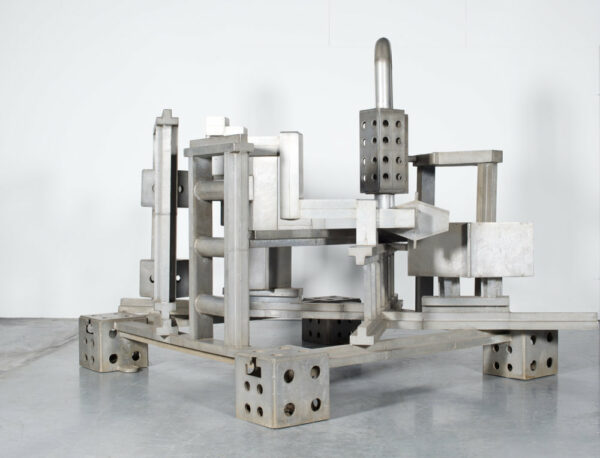
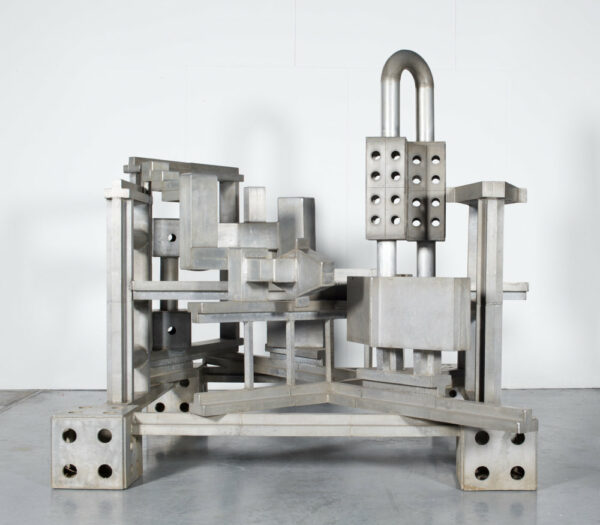
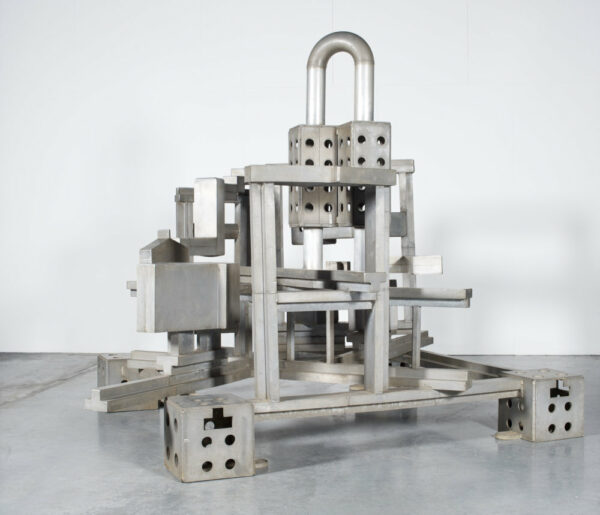
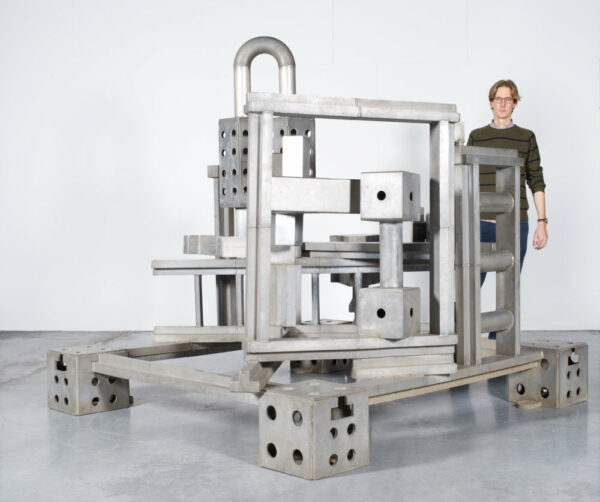
爱德华多·保罗齐
卡拉桑
铸造、挤压和焊接铝
高度:82 英寸(210.5 厘米)
构思和创作时间:1973-4
独特的
关于艺术品
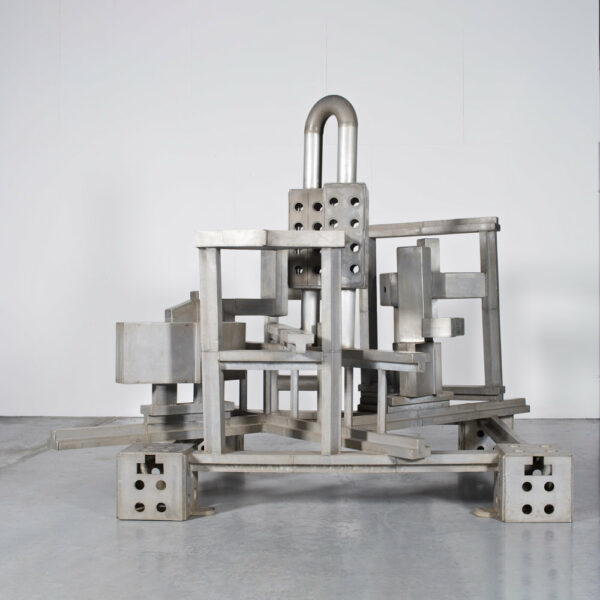
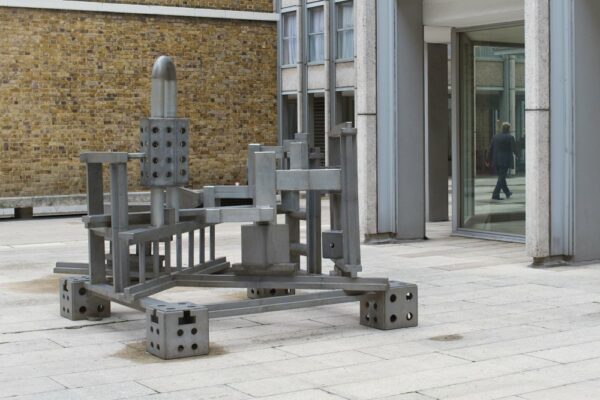
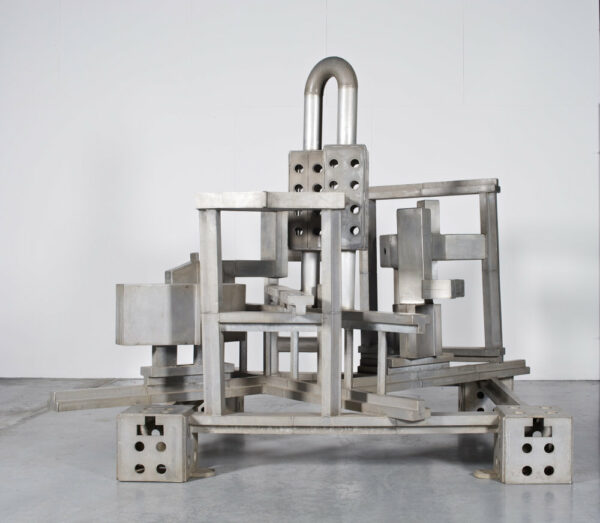
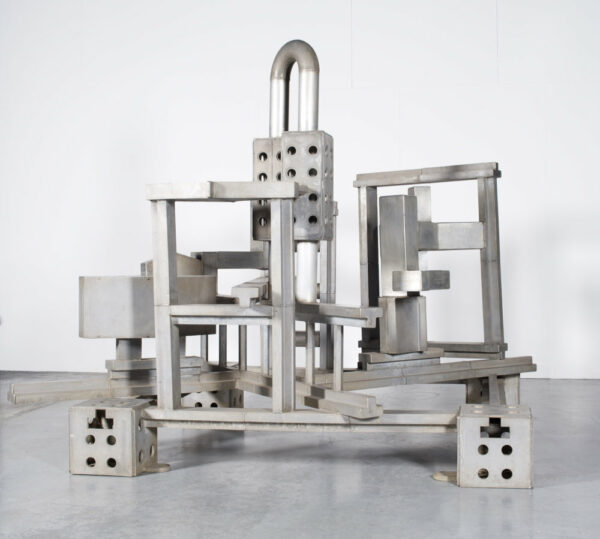
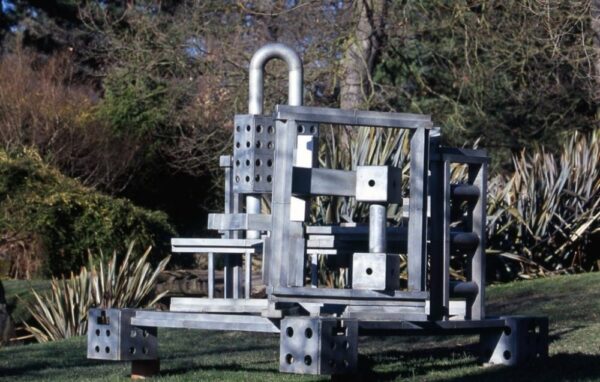
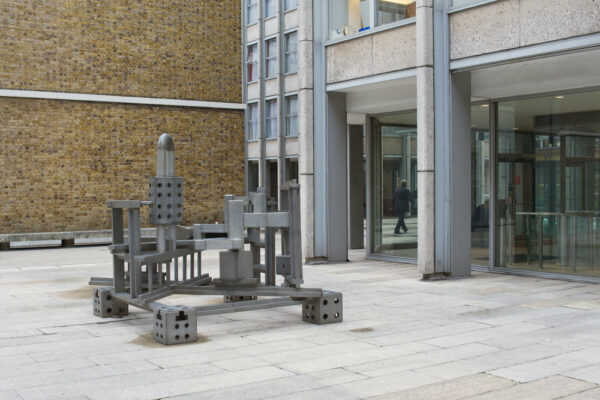
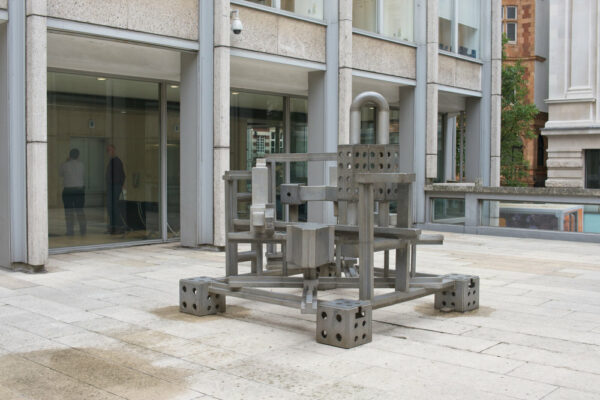
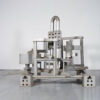
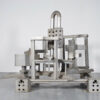
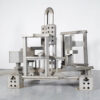
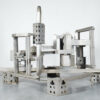
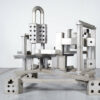
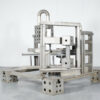
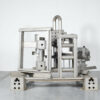
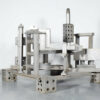
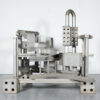
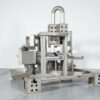
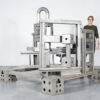
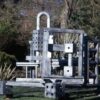
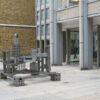
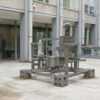
A prominent feature of Paolozzi’s exhibition at the Yorkshire Sculpture Park in 1994 were three sculptures, Suwasa, Trishula和 卡拉桑, made between 1966 and 1974. The sculptures were once part of a children’s playground conceived by Paolozzi for his former student Terence Conran’s Habitat store at Wallingford, Oxfordshire. They reveal much about the condition of public sculpture in the second half of the 20日 century, and the major contribution Paolozzi’s sculptural language made to it.
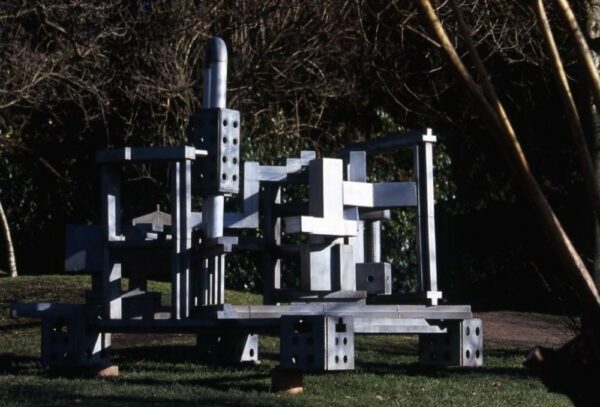
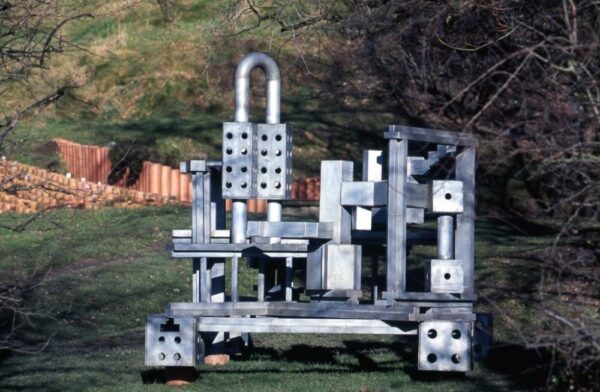
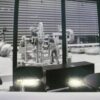
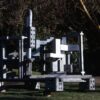
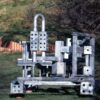
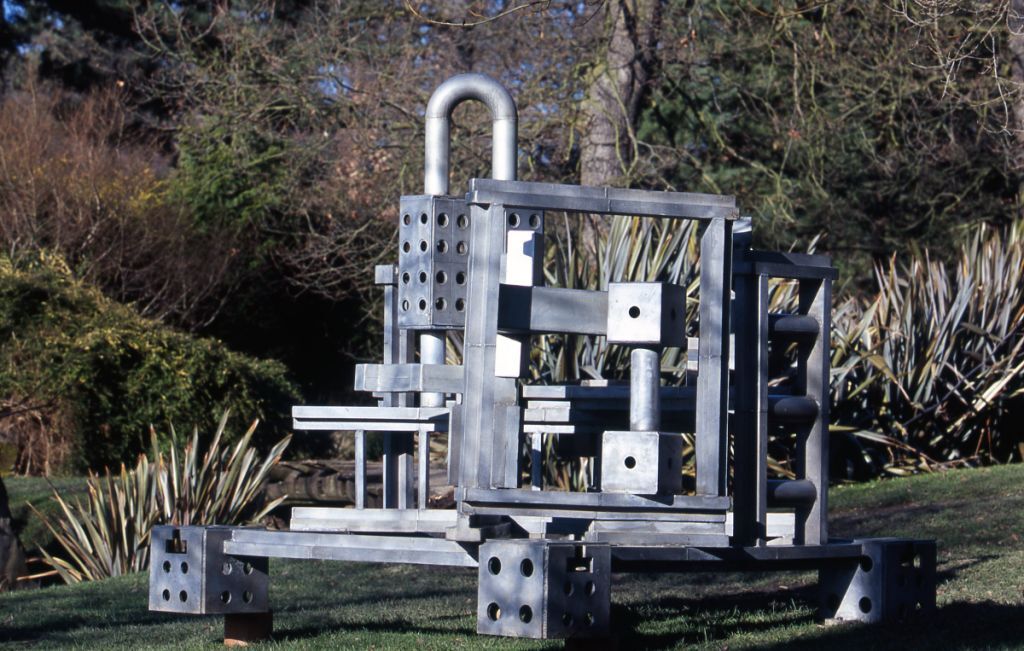 Kalasan, Yorkshire Sculpture Park, 1994
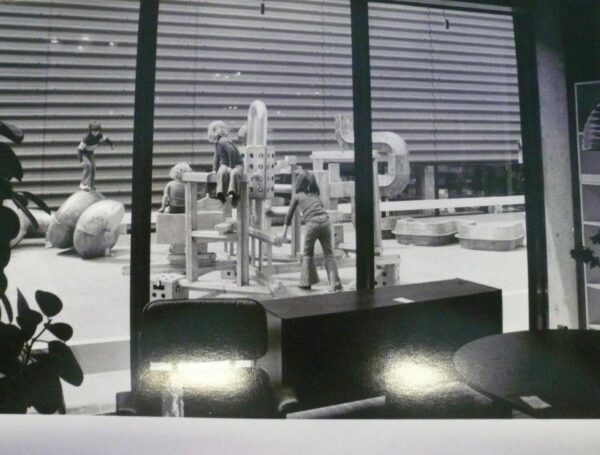
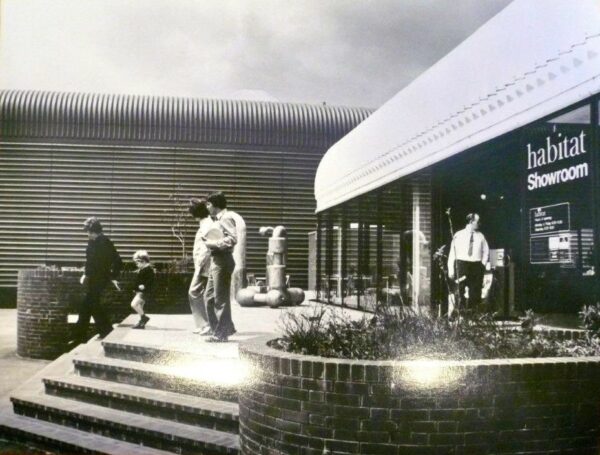
The early 1970s witnessed an emerging awareness in Britain of the possibility of sculpture by modernist sculptors in public places. In 1972 the Peter Stuyvesant City Sculpture Project provided an opportunity for sculptors to provide work for urban sites, but inevitable questions of public acceptability, responsibility for maintenance, and ‘Health and Safety’ issues, soon arose.1The private nature of the ‘Habitat’ commission in 1973-4 naturally circumvented problems such as these. Although there was a modernist tradition, albeit a disrupted one, for the conjunction of sculpture and architecture in Britain (in which Henry Moore took no part), the practice of postmodern architects decorating their buildings had hardly begun in the early 1970s. In the 1960s, the best chance for sculptors, like Paolozzi, who succeeded Moore, was to show their work in buildings designed by sympathetic modernist architects of their own generation. A commission from Terence Conran, who had been Paolozzi’s student at the Central School of Arts and Crafts in 1950, and whose ‘Habitat’ empire had been radically changing consumer attitudes to design in Britain since 1964, was an enlightened idea to introduce children to modern sculpture through play.
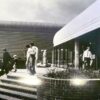
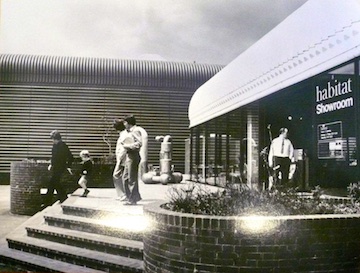 Habitat, Wallingford
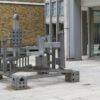
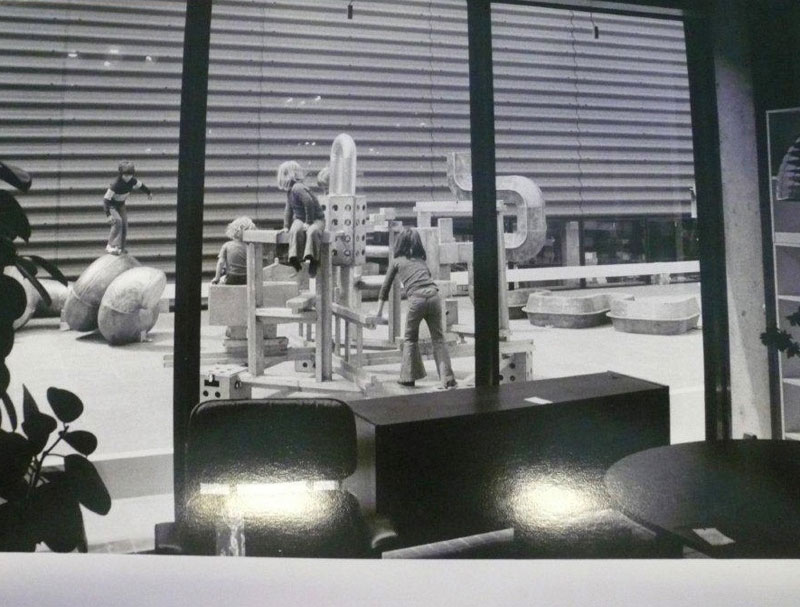 Playground including Kalasan and Suwasa, Habitat, Wallingford
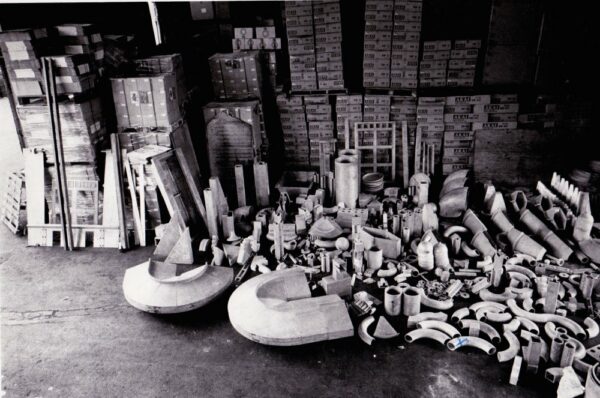
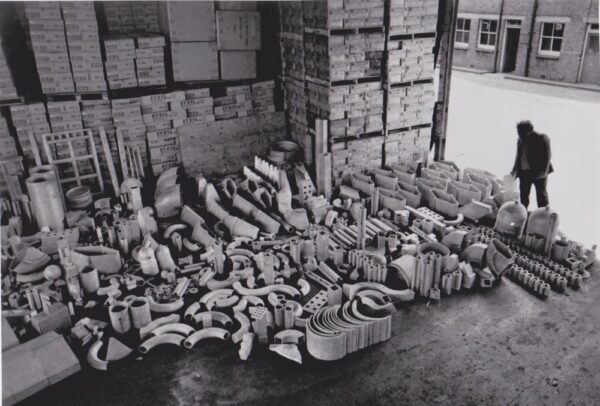
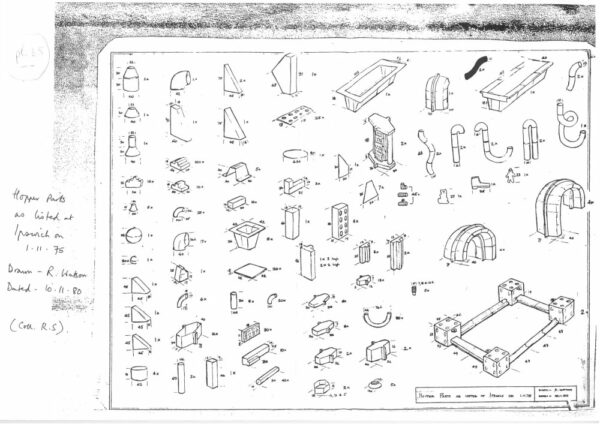
Suwasa, Trishula 和 卡拉桑, together with three other sculptures, Yantra, Manuk和 Utpala, which formed the Habitat commission (there may have been a seventh)2, were fabricated at Juby’s ‘Alpha’ Engineering Works, Ipswich, where Paolozzi had been making aluminium sculpture, largely inspired by the practice of the American sculptor David Smith, since the early 1960s. While 卡拉桑 was made in 1973-4 exclusively for Wallingford in 1973-4, both Suwasa 和 Trishula date from 1966, and occupied an important place in the development of British sculpture by the time Paolozzi adapted them to suit the requirements of the Habitat commission.

 Chinese
  English