


奥古斯特·罗丹
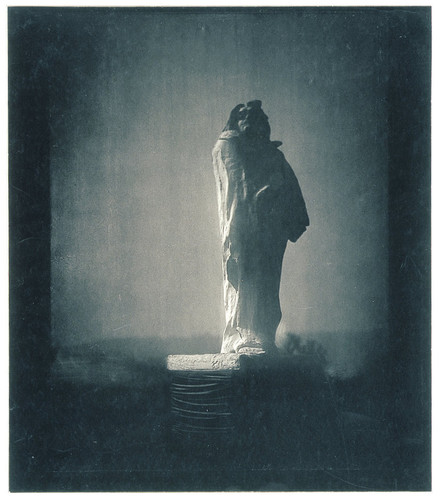
巴尔扎克,练习曲 c 型(半身像)第 3 版,大模型
署名 A. Rodin,题词 Alexis Rudier Fondeur Paris
深棕色和黑色铜锈色青铜
高度 10 1/8 英寸(26.2 厘米)
构思于 1892 年。此例铸造于 1918 年至 1927 年之间。
罗丹委员会表示,该雕塑至少有 10 尊这种尺寸的铸模是在罗丹去世后铸造的。没有生前铸模。
可根据要求提供出处和罗丹委员会证书。
关于艺术品
“罗丹赋予了巴尔扎克的伟大,也许,这种伟大超越了作家的形象。罗丹抓住了巴尔扎克的本质,没有将自己限制在个性的局限中,而是超越了巴尔扎克最极端、最遥远的可能性。” – (莱纳·马利亚·里尔克,1919 年,第 87 页)
这 巴尔扎克纪念碑 by Auguste Rodin was the most controversial sculpture of the 19th century. After the death of Honoré de Balzac in 1850, numerous attempts were made to raise funding for a public monument in the poet’s honour. It was only in 1883 when the Société des Gens de Lettres received a gift from the State and a designated site from the City of Paris that the commission of a sculpture could proceed. Henri Chapu was selected to complete the monument, but unfortunately died in 1891 before the work was finished. The sculptors on the advisory committee, Jean-Alexandre Falguière, Antonin Mercié and Paul Dubois all voted that the work should be executed by a 实践者, from Chapu’s model, but were overruled by Émile Zola, the President of the Société at the time. Émile Zola encouraged Auguste Rodin to apply for the commission and after submitting a proposal in July of 1891, in a heavily disgruntled and disputed atmosphere, the project was awarded to Rodin.
罗丹对这个项目充满热情,并开始深入研究巴尔扎克的生活、工作和性格。他前往巴尔扎克的家乡图兰,咨询巴尔扎克的同时代人,以了解这位伟人。罗丹用石膏创作了许多关于他主题的研究,目前的模型是其中一件研究的青铜铸件,被称为 C 型研究第三版,大型模型.
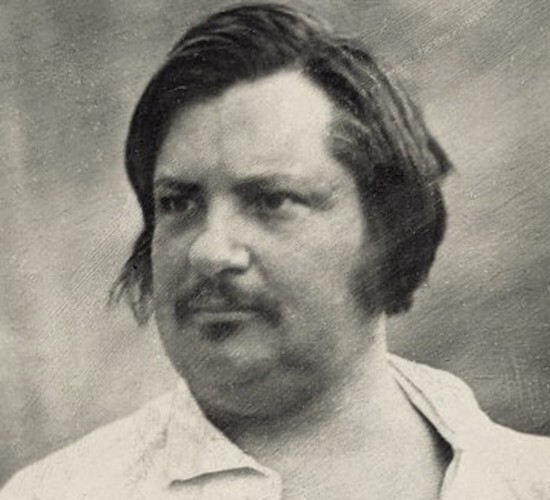 Honoré de Balzac, 1842
After seven years of working on the model and several attempts by the Société to cut his budget, Rodin exhibited his final plaster study at the Salon of 1898. In a century accustomed to scandals and public outcries, the reception of the work was unparalleled in the strength of the polarity of opinion. Considered vulgar by the Société des Gens de Lettres, Rodin was forced to withdraw the work from the Salon. The strength of opinion on the work was such that it divided France into pro- and anti-Rodin members. Artists such as Paul Cezanne and Claude Monet applauded Rodin for his work and signed a petition for the monument to be adopted. Yet in the end, the commission was given instead to Jean-Alexandre Falguière, a member of the established old guard of Romantic sculptors.
罗丹的模型 巴尔扎克 returned to his studio in Meudon, where it remained until 1930, when it was cast in bronze for the Koninklijk Museum in Antwerp. Then, finally, in 1939, the Société des Gens de Lettres relented and had the work cast and erected on the corner of the Boulevards Raspail and Montparnasse in Paris. In spite of the backlash, Rodin never lost confidence in his work and the ambition behind it. It remains one of the most iconic sculptural monuments ever made.


 Chinese
  English